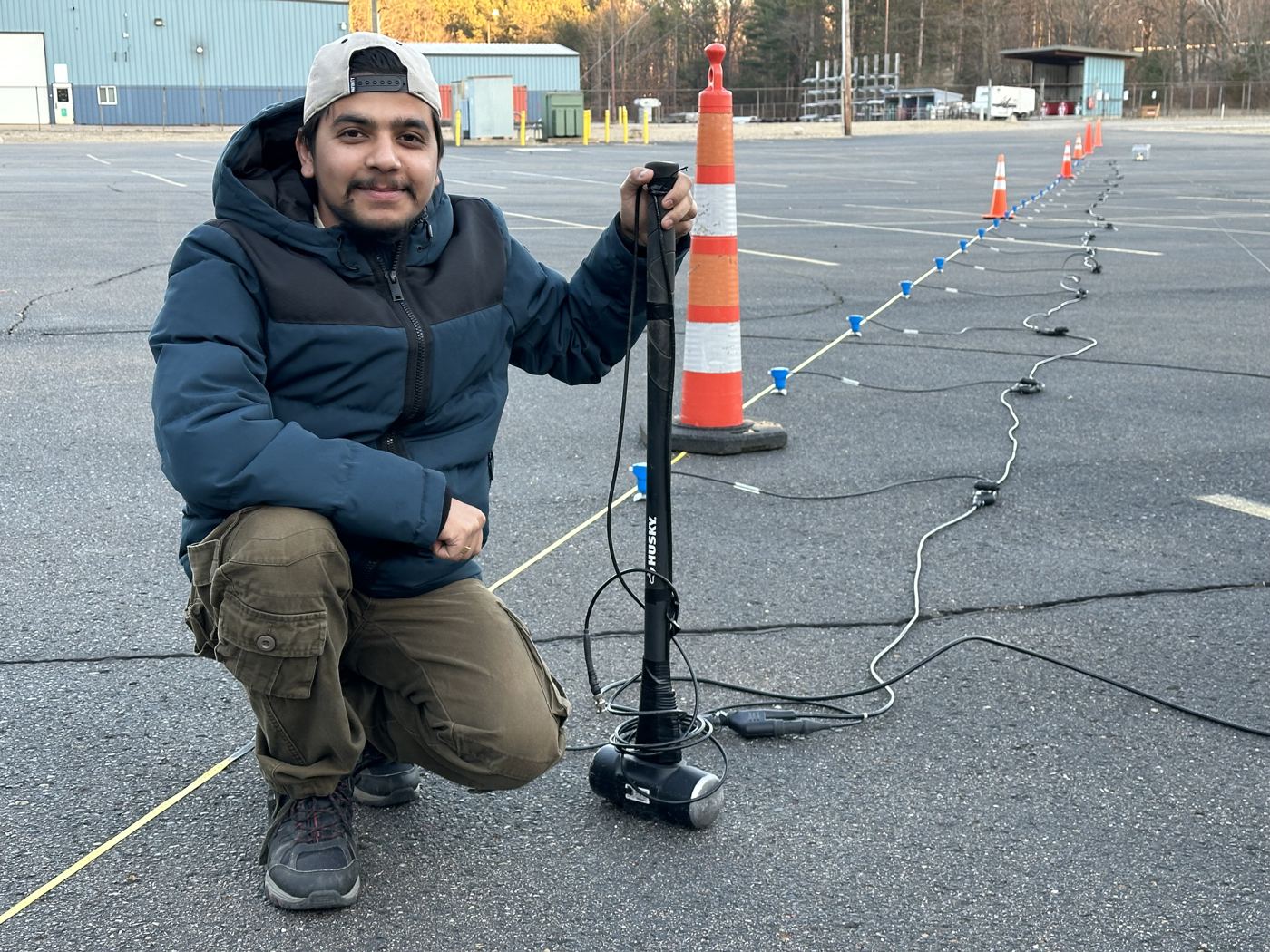
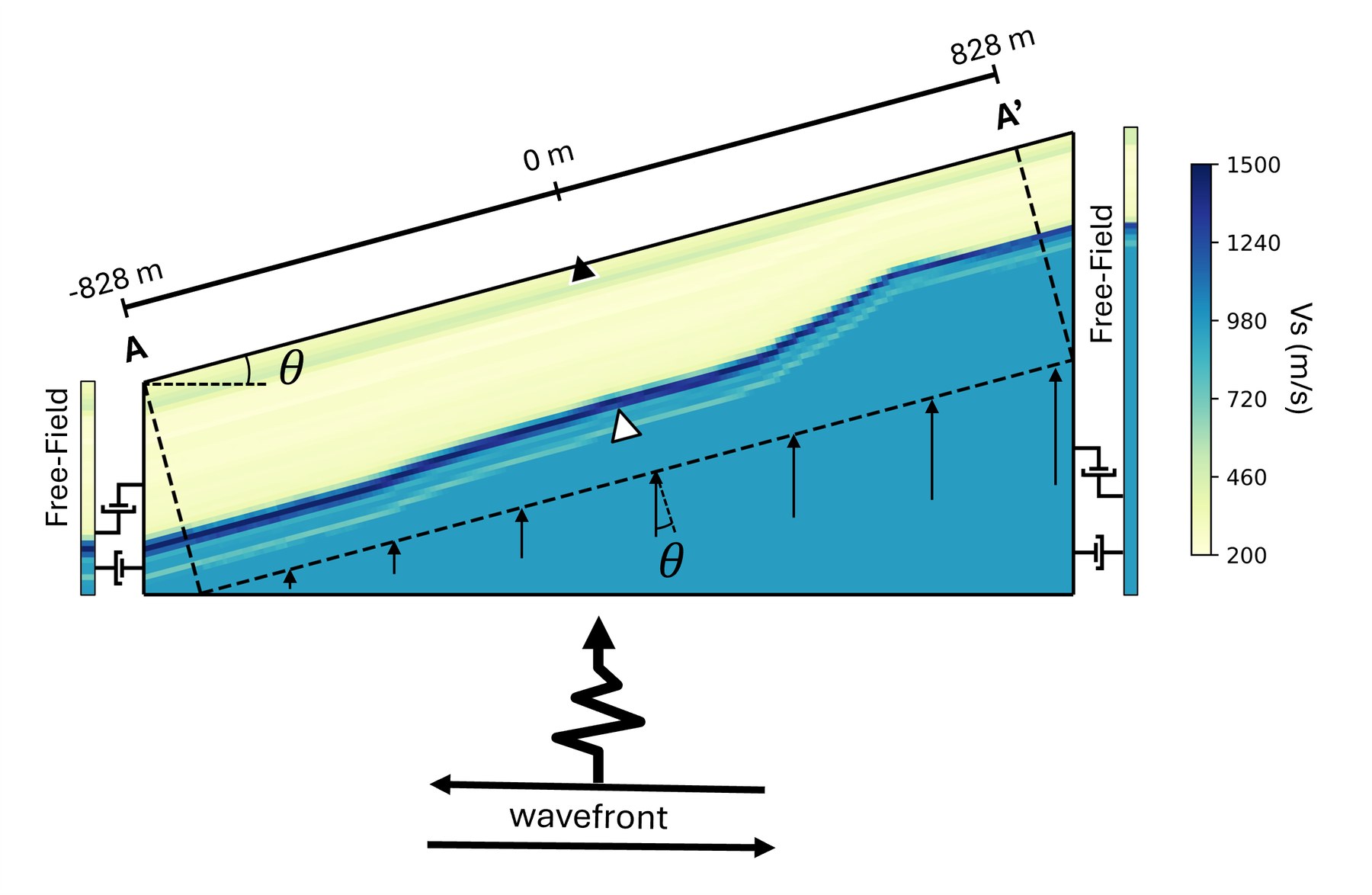
Incident wave inclination and azimuth
Our paper in Soil Dynamics and Earthquake Engineering shows how inclined and azimuthally varying waves change multi-dimensional ground response at the Delaney Park downhole array.
Read the paper ↗Geotechnical Earthquake Engineering
Ph.D. Candidate at Utah State University, studying how earthquake waves travel through the ground and how local site conditions shape the shaking that reaches our infrastructure.
Glacier National Park · captured by yours truly
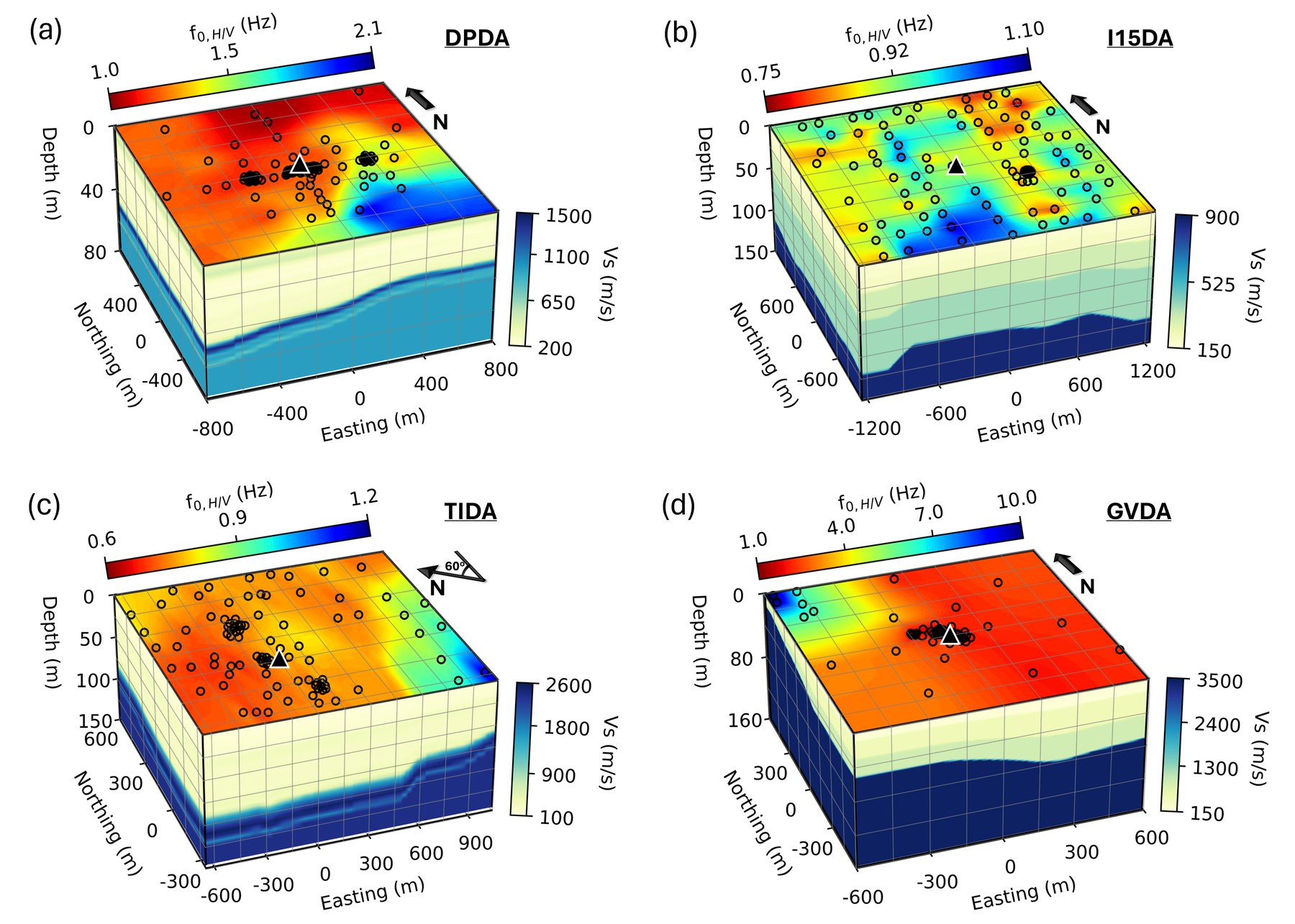
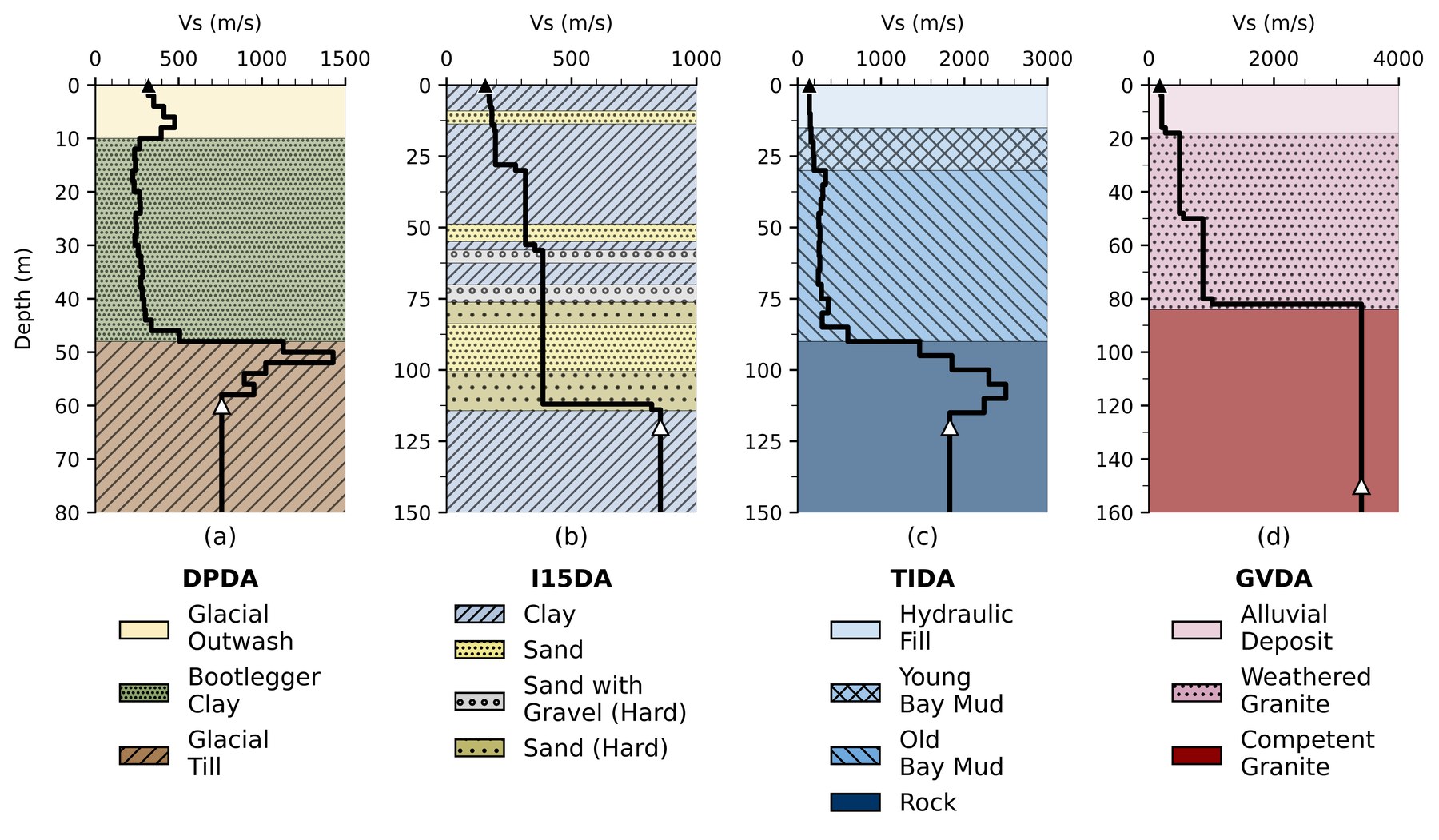
I develop and calibrate large-scale 2D and 3D seismic site response models at instrumented downhole array sites, combining numerical modeling with field measurements to understand when one-dimensional assumptions break down.
My dissertation, Multi-Dimensional Site Response Analysis at Downhole Array Sites, is advised by Dr. Brady R. Cox. Alongside modeling in FLAC3D and Seismo-VLAB, I spend a lot of time in the field: deep shear-wave velocity profiling with MASW and MAM surface-wave methods, spatially distributed HVSR, and distributed acoustic sensing (DAS). I have contributed to NQA-1-compliant site characterization at three nuclear power sites.
Before Utah State, I earned my M.S. in Geotechnical Engineering (with distinction) and B.S. in Civil Engineering from Tribhuvan University in Nepal, and inspected post-earthquake reconstruction after the 2015 Gorkha earthquake.
Thanks for visiting!
nish
Our paper in Soil Dynamics and Earthquake Engineering shows how inclined and azimuthally varying waves change multi-dimensional ground response at the Delaney Park downhole array.
Read the paper ↗
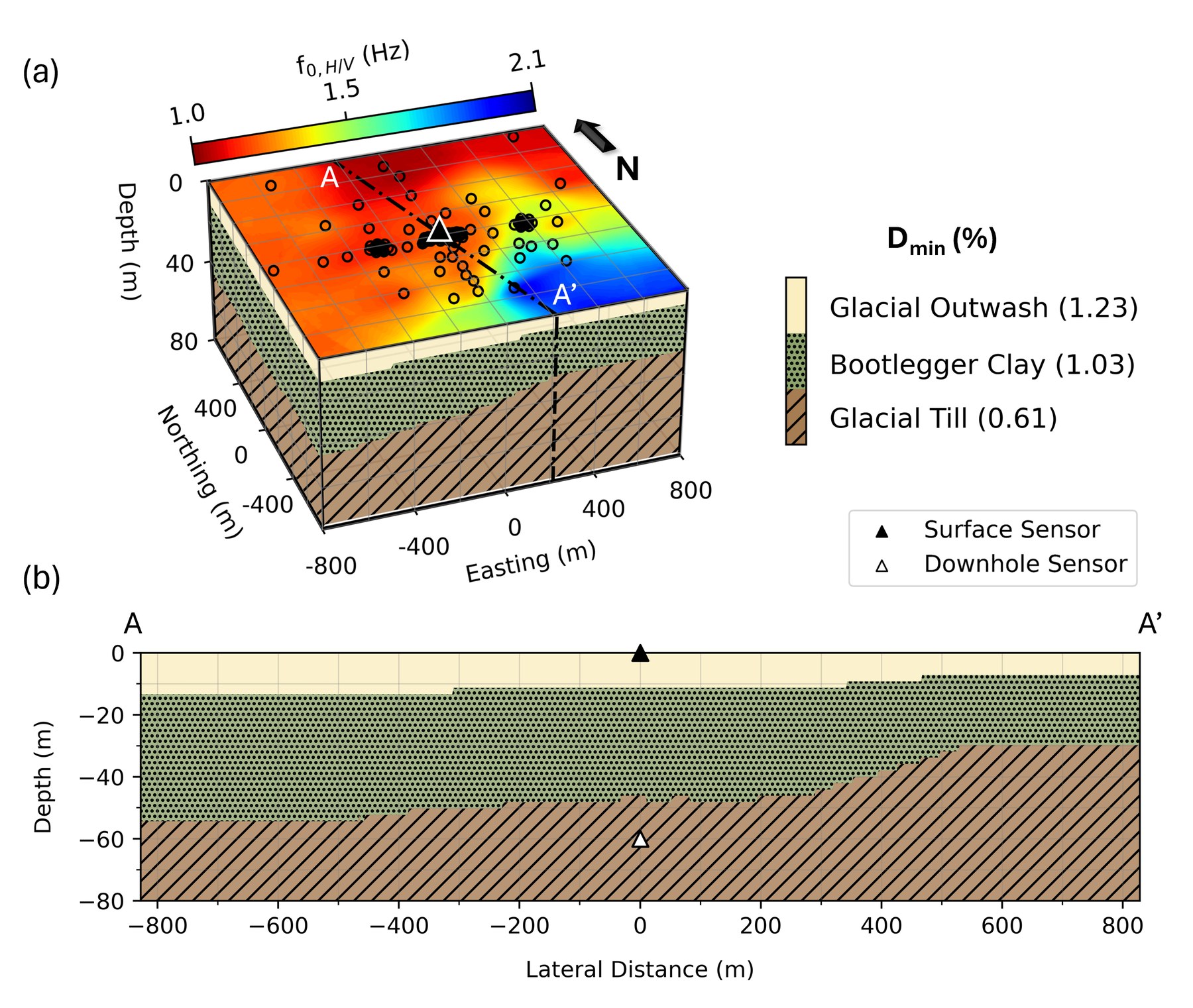
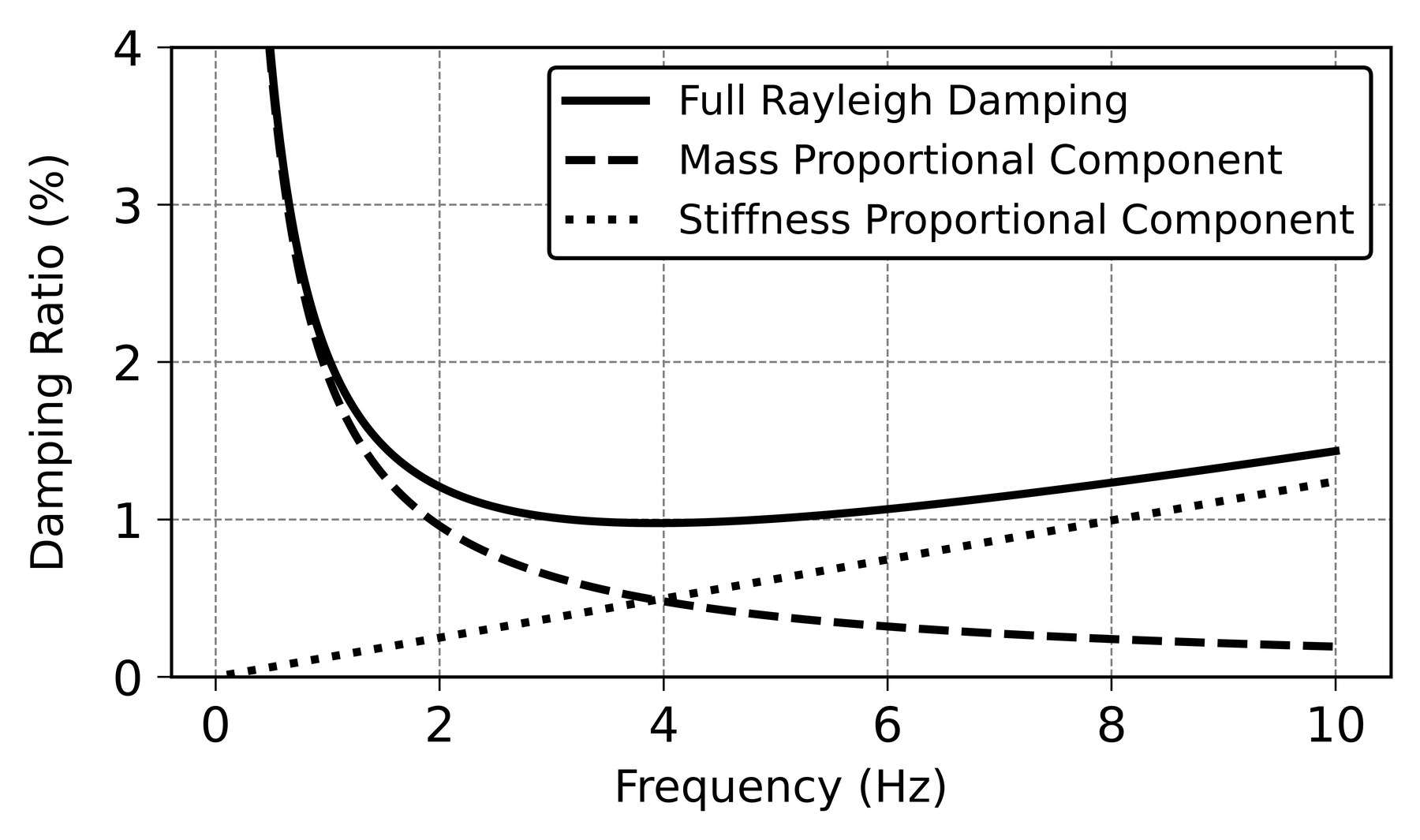
Published in Earthquake Spectra: what calibrating 2D ground response analyses at downhole arrays teaches us about numerical damping formulations.
Read the paper ↗
Presented at Geo-Congress 2026 in Salt Lake City: three-dimensional analyses built on a kriged HVSR-based velocity model.
Read the paper ↗
Outside work you'll find me on a trail in Utah's national parks or watching AC Milan play.